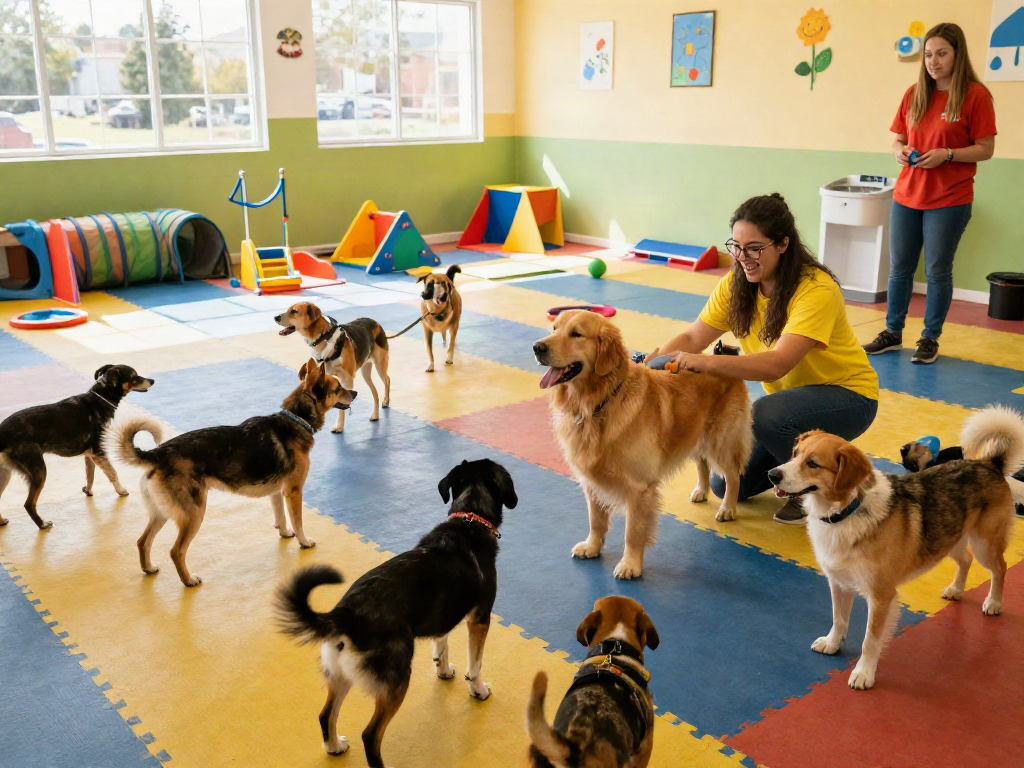
Understanding the Basics of Dog Daycare
Dog daycare is a burgeoning industry that caters to pet owners seeking care for their furry friends during the day. In recent years, as more families have adopted pets, the demand for dog daycare services has skyrocketed. These facilities offer a safe and engaging environment for dogs to socialize, exercise, and play under the supervision of trained staff. When exploring options, depo 10k is one of the key terms to consider when looking at various facilities and their offerings.
What is Dog Daycare?
Dog daycare is a service where pet owners can leave their dogs during the day, typically while they are at work or otherwise occupied. This service provides dogs with the opportunity to engage in playtime with other dogs and interact with staff members who are trained to manage their needs. Most daycare facilities operate on a drop-off and pick-up schedule and offer a range of activities designed to keep dogs stimulated and happy throughout the day.
Benefits of Enrolling Your Dog in Daycare
Enrolling your dog in daycare comes with numerous benefits, including:
- Socialization: Dogs have the opportunity to interact with other dogs, which can improve their social skills and decrease anxiety when meeting new dogs in other settings.
- Exercise: Daycare facilities typically offer plenty of space for dogs to run and play, which helps with their physical health.
- Routine: Regular attendance at daycare can provide dogs with a structured environment and a consistent routine, contributing to their overall well-being.
- Care from Professionals: Trained staff can monitor your dog’s behavior, ensuring they are safe and happy during their stay.
Choosing the Right Dog Daycare Facility
Choosing the right daycare for your dog is crucial for their happiness and safety. Prospective dog owners should consider the facility's reputation, cleanliness, and the qualifications of the staff. It is advisable to visit the facility in person to observe how the staff interacts with the dogs and assess the conditions of the play areas. Seeking recommendations from other pet owners can also provide valuable insights.
Key Features to Look for in a Dog Daycare
Safety Standards and Policies
Safety should be your primary concern when selecting a dog daycare. Look for facilities that have clear safety protocols in place, including rigorous cleaning practices, secure fencing, and emergency plans. Additionally, ensure they require vaccinations from all dogs to prevent the spread of illness.
Staff Qualifications and Training
The expertise of the staff is crucial for ensuring your dog’s safety and enjoyment. Look for daycare centers that employ trained professionals in pet care, behavior, and first aid. Staff members should ideally hold certifications from recognized organizations that demonstrate their commitment to canine welfare.
Facilities and Play Areas
The quality and size of the play areas are also important considerations. A good daycare facility will have spacious, clean, and well-ventilated areas for dogs to play in. Outdoor areas should be securely fenced and have shaded spots for dogs to rest. Additionally, the facility should provide separate spaces for dogs of different sizes and temperaments.
Understanding Costs and Investment
Exploring Typical Pricing Models
Dog daycare costs can vary widely based on location, services offered, and facility quality. Most daycare centers charge on a daily basis or offer packages that reduce the per-day cost. Typical rates can range from $20 to $50 per day, with many facilities offering discounts for long-term commitments or multiple dogs from the same household.
What Influences the Cost of Dog Daycare?
Several factors can influence daycare pricing, including:
- Location: Facilities in urban areas may charge more due to higher operational costs.
- Services Offered: Daycares that provide additional services such as grooming, specialized training, or extended hours typically charge more.
- Staff-to-Dog Ratio: Facilities with a lower staff-to-dog ratio tend to offer more personalized care, which can be reflected in the pricing.
Maximizing Value Within a depo 10k Budget
If you’re working within a budget, such as a depo 10k, it’s essential to find a daycare that offers the best value for your money. Look for facilities that provide flexibility in scheduling, as well as potential discounts for pre-booking or long-term passes. Consider the overall experience and care quality, rather than just the price, to ensure your dog is getting the attention and care they deserve.
Common Misconceptions About Dog Daycare
Myth vs. Reality: Is Dog Daycare Just a Luxury?
Many pet owners view dog daycare as an unnecessary luxury, but for many dogs, it can be a crucial component of their social development and well-being. Daycare can help alleviate boredom and separation anxiety, making it a beneficial option for both pets and their owners.
Addressing Concerns About Socialization
One common concern is that daycare may not provide the right environment for every dog. However, reputable facilities assess each dog's temperament and create appropriate playgroups to ensure a good fit. This personalized approach can foster positive social interactions among dogs.
Debunking Myths About Dog Behavior in Daycare
Some owners worry that daycare will lead to behavioral issues at home. In reality, regular interaction with other dogs can enhance a dog’s behavior and reduce destructive tendencies born from boredom. Positive reinforcement techniques used in daycare can also translate to better behavior at home.
The Future of Dog Daycare: Trends for 2026 and Beyond
Innovative Services Emerging in Dog Daycare
As the dog daycare industry evolves, many facilities are beginning to offer innovative services such as webcam access for owners, premium play packages, and specialized training programs. These services aim to enhance the experience for both dogs and their owners.
Technology Integration in Pet Care Facilities
Technology is playing an increasingly important role in the pet care industry. From automated booking systems to health tracking apps, technology helps to improve operational efficiency and customer experience. Many facilities are now utilizing camera systems that allow owners to check on their pets throughout the day.
Anticipating Changes in Pet Ownership and Care Demands
The future landscape of pet ownership suggests that more families will consider adopting pets, which will inevitably drive demand for daycare services. As pet owners become more conscientious about their animals’ socialization needs, facilities will have to adapt, offering more tailored services to meet diverse demands.
What should I consider when choosing a daycare for my dog?
When selecting a daycare, consider your dog’s temperament, the facility’s safety measures, and the quality of staff care. Ensure that the daycare aligns with your dog’s social needs and energy levels for the best experience.
How can I ensure my dog will be comfortable at daycare?
To help your dog acclimate to daycare, consider scheduling a gradual introduction. Start with short visits, allowing your dog to familiarize themselves with the environment and people. This can ease anxiety and help them feel more comfortable.
What are the signs that my dog enjoys daycare?
Signs that your dog is enjoying daycare include excitement during drop-off, eagerness to participate in activities, and a happy demeanor when you pick them up. Additionally, a tired dog after a fun day is often a good indicator of a positive experience.
Are there any downsides to dog daycare?
While many dogs thrive in daycare settings, some may experience stress due to the social environment. It’s essential to monitor your dog’s behavior and determine if daycare is the right fit. In some cases, alternative arrangements, such as in-home care, may be more suitable.
How can I find a reputable daycare facility?
Finding a reputable daycare involves conducting thorough research, asking for recommendations, and reading online reviews. Visiting the facility for a tour and observing the staff and dogs can also provide insight into the quality of care provided.