The Role of Aussteller in Trade Shows
Trade shows represent a pivotal platform for businesses around the world, serving as a meeting point for industry leaders, innovators, and potential clients. Central to this environment are the Aussteller, or exhibitors, who play a crucial role in showcasing products and services that drive interest and engagement. In 2026, as the landscape of trade shows continues to evolve, understanding the significance of Aussteller is more important than ever. Engaging effectively with this audience can facilitate networking opportunities and enhance visibility in competitive markets. When exploring options, Aussteller provides comprehensive insights into the exhibiting firms that can help businesses to stand out.
Understanding Aussteller: Definition and Importance
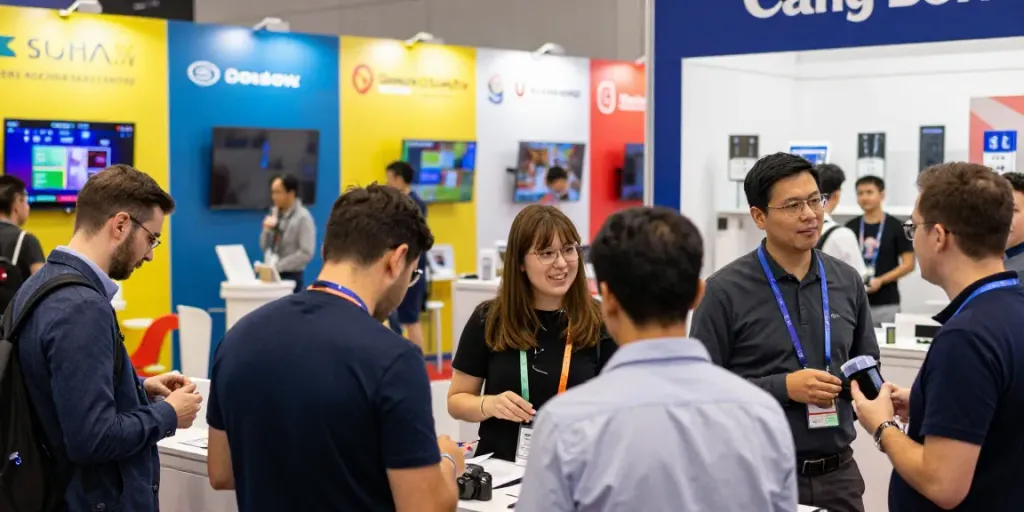
The term Aussteller translates to "exhibitor" in English, referring to individuals or companies that present their goods, services, or information at trade shows or exhibitions. As a key component of the event, Aussteller are responsible for creating a dynamic representation of their brand, which can influence the overall perception of their offerings. This role goes beyond mere display; it involves engaging attendees, answering inquiries, and fostering connections that can lead to future business.
Key Responsibilities of Aussteller at Events
Aussteller have several responsibilities that are pivotal in making trade shows successful. These include:
- Booth Design and Setup: Creating an attractive and informative booth that draws in attendees.
- Product Demonstrations: Offering live demonstrations or samples to engage potential clients.
- Networking: Building relationships with attendees, other exhibitors, and industry influencers.
- Data Collection: Gathering leads and feedback for future marketing and product development.
- Follow-Up: Maintaining contact with leads after the event to nurture potential business relationships.
Benefits of Participating as an Aussteller
Participating as an Aussteller provides businesses with numerous advantages, including:
- Brand Exposure: Increased visibility in a crowded market through direct interaction with potential customers.
- Market Insights: Understanding competitor offerings and industry trends by observing other exhibitors and attendee interactions.
- Lead Generation: Opportunity to collect valuable leads that can convert into future sales.
- Product Launches: Ideal platform for launching new products or services in front of a targeted audience.
Strategies for Successful Exhibitor Participation
Creating an Engaging Booth Experience
The booth is the face of an Aussteller at a trade show, making its design and functionality paramount to capturing attendee interest. An engaging booth should feature interactive components, such as touch screens or product demonstrations, to encourage visitor participation. Additionally, informative materials such as brochures or digital content can enhance the experience by providing attendees with take-home information.
Leveraging Digital Tools for Marketing
In 2026, technological advancements have integrated into the exhibiting process, making digital tools essential for effective marketing. Social media platforms, event apps, and targeted email campaigns can help Aussteller promote their presence before, during, and after the event. Utilizing analytics tools can also provide insights into attendee engagement and preferences, allowing for more tailored follow-up communications.
Building Relationships with Attendees and Other Aussteller
Networking is one of the most significant benefits of trade shows. Aussteller should prioritize building relationships with attendees and other exhibitors. Strategies such as hosting small events, offering exclusive experiences, or engaging on social media can create a memorable impression that encourages ongoing communication and collaboration.
Measuring Success as an Aussteller
Key Performance Indicators for Exhibitors
To assess the success of their participation, Aussteller should define clear Key Performance Indicators (KPIs). Common KPIs include:
- Lead Quantity: The number of quality leads generated during the event.
- Sales Metrics: Follow-up sales or conversions that can be directly attributed to the trade show.
- Brand Awareness: Measurement of increased brand recognition or website traffic post-event.
- Engagement Levels: Tracking attendee interactions at the booth, including inquiries and participation in activities.
Gathering Valuable Feedback from Attendees
Feedback is invaluable for improving future participation. Aussteller should implement strategies to collect input from attendees regarding their experience, both during and after the event. Surveys, feedback forms, or informal conversations can provide insights into what worked well and what areas need improvement.
Case Studies: Successful Aussteller Campaigns
Analyzing successful campaigns from previous trade shows can provide valuable insights into effective strategies. For example, a technology company that leveraged augmented reality in its booth saw a significant increase in engagement and lead capture. Another company focused on unique giveaways that resonated with their target audience, resulting in increased booth traffic and brand recognition.
Challenges Faced by Aussteller
Common Misconceptions About Aussteller Participation
Many businesses are hesitant to participate as Aussteller due to misconceptions about the costs and benefits of trade shows. Some believe that only large companies can afford to exhibit, while others underestimate the potential ROI. In reality, trade shows can be tailored to fit a range of budgets and provide substantial returns when executed correctly.
Navigating Logistics and Costs
Participating in a trade show involves navigating various logistics, from booth design to travel arrangements. Understanding the full range of costs—including space rental, design, transportation, and staffing—is crucial. Aussteller must plan meticulously to ensure that their participation aligns with their budget and overall marketing strategy.
Addressing Competition on the Exhibition Floor
The exhibition floor can be competitive, with numerous Aussteller vying for the attention of the same audience. To stand out, exhibitors must identify their unique selling propositions and communicate these effectively. Tailoring their approach to highlight distinct benefits can help draw the right audience to their booth.
Future Trends for Aussteller in 2026 and Beyond
Innovations in Exhibition Technology
As we move further into the digital age, innovations in exhibition technology are set to reshape how Aussteller engage with their audiences. Virtual reality, artificial intelligence, and advanced analytics are emerging trends that can enhance the exhibitor experience and provide deeper insights into attendee behaviors.
Shifts in Consumer Expectations
Consumer expectations are continuously evolving, making it essential for Aussteller to stay ahead of trends and adapt their strategies accordingly. Today's attendees are looking for personalized experiences, sustainability, and interactive engagement that reflects their values and interests.
Preparing for the Evolving Landscape of Trade Shows
To remain competitive, Aussteller must be proactive in embracing changes within the trade show industry. This includes adopting new technologies, exploring hybrid event formats that combine virtual and in-person components, and continuously seeking feedback to refine their approaches. By doing so, they can ensure their relevance and success in upcoming trade shows.